
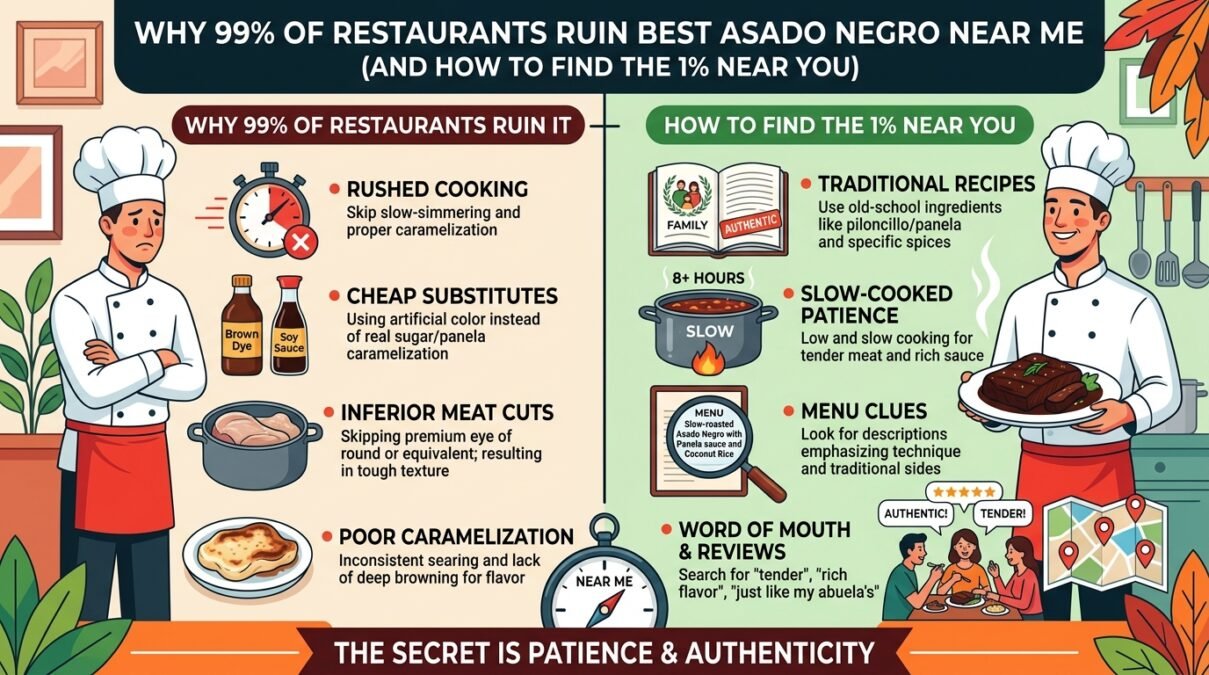

best asado negro near me stands as one of the most treasured dishes in Venezuelan cuisine, a culinary masterpiece that transforms simple ingredients into a deeply flavorful and comforting meal. This slow-cooked shredded beef dish, distinguished by its dark, almost black color and complex sweet-savory sauce, has captured the hearts of food lovers across the globe. The name itself translates to “black roast,” a reference to the deep mahogany hue achieved through the careful caramelization of panela, an unrefined sugarcane sweetener that gives this dish its signature character. Unlike other Latin American shredded beef dishes, Asado Negro offers a unique flavor profile that balances sweetness, acidity, and rich beefy goodness in perfect harmony.
For those embarking on a quest to find the best asado negro near me in their area, the journey requires more than simply typing a few words into a search engine. It demands an understanding of what makes this dish exceptional, knowledge of the regional variations that exist, and an appreciation for the cultural significance that elevates a simple meal into a memorable dining experience. This comprehensive guide will walk you through everything you need to know about locating, evaluating, and enjoying the finest Asado Negro near you.
Quick Bio Table
| Attribute | Details |
|---|---|
| Dish Name | Asado Negro |
| Country of Origin | Venezuela |
| Main Protein | Beef (typically flank steak or chuck) |
| Key Flavor Components | Panela (cane sugar), red wine, paprika, garlic, onions |
| Cooking Method | Slow cooking or pressure cooking |
| Signature Color | Deep mahogany to almost black |
| Traditional Accompaniments | White rice, black beans, sweet plantains, arepas |
| Difficulty Level | Intermediate to Advanced |
| Preparation Time | 3 to 4 hours (traditional method) |
| Best Season | Year-round, especially popular during holidays |
Understanding the Authenticity Factors of best asado negro near me
Before searching for the best best asado negro near me, it is essential to understand what separates an authentic version from a mediocre imitation. The foundation of any great Asado Negro lies in the quality of the beef and the careful preparation of the sauce. Traditional recipes call for flank steak or beef chuck, cuts that contain enough connective tissue to become tender and succulent during the long cooking process. The meat is typically cut into large chunks and seared until deeply browned before being simmered in a sauce made from panela, red wine, onions, garlic, bell peppers, and a generous amount of paprika.
The caramelization of panela represents the most critical step in achieving the dish’s characteristic dark color and complex flavor. When heated properly, the panela transforms from a solid brown block into a rich, molasses-like syrup that coats the beef and provides a deep sweetness unlike anything achieved with refined sugar. This process requires patience and attention, as rushing the caramelization can result in a burnt, bitter taste rather than the desired sweet and smoky profile. Authentic versions also incorporate a touch of acidity, usually from red wine or vinegar, to balance the sweetness and prevent the dish from becoming cloying.
Another indicator of authenticity lies in the texture of the final dish. The best asado negro near me features beef that has been cooked until it is fork-tender and easily shredded, yet still retains some structural integrity. The meat should not disintegrate into a mushy paste but rather maintain distinct strands that absorb the rich sauce. The sauce itself should be thick enough to cling to the meat but still loose enough to soak into a bed of white rice. Restaurants that understand these nuances consistently produce superior versions of this beloved dish.
How to Conduct Your Search for the Best best asado negro near me
The digital age has made finding specialized cuisine easier than ever, but it also requires a strategic approach to filter through the noise and identify genuinely excellent establishments. Starting your search on major review platforms provides a broad overview of what is available in your area. These platforms aggregate user ratings, photos, and detailed reviews that can give you initial insight into which restaurants serve best asado negro near me and how well they execute it. Pay special attention to reviews that specifically mention the best asado negro near me rather than general comments about the restaurant as a whole, as these provide more targeted information.
Beyond basic review sites, exploring food-focused blogs and local culinary publications often yields more nuanced information. Food bloggers typically provide detailed descriptions of their dining experiences, including observations about flavor balance, portion sizes, and authenticity that casual reviewers might overlook. Many bloggers also include high-quality photographs that allow you to visually assess the color and texture of the dish before visiting. Additionally, local food writers often compile “best of” lists that can serve as excellent starting points for your culinary exploration.
Social media platforms, particularly Instagram, offer another valuable resource for your search. Searching location-based hashtags combined with the dish name reveals real-time posts from diners who have recently enjoyed best asado negro near me at various establishments. These posts often include honest opinions and visual documentation that can help you make informed decisions. Engaging with food communities on platforms like Reddit, where users frequently share recommendations for ethnic cuisine, can also uncover hidden gems that might not appear prominently in traditional search results.
Evaluating Reviews for Authenticity and Quality
When analyzing reviews to determine the best best asado negro near me near you, developing a discerning eye becomes crucial. Look for reviewers who demonstrate familiarity with Venezuelan cuisine, as their evaluations tend to be more reliable than those of diners experiencing the dish for the first time. These experienced reviewers often comment on specific aspects such as the depth of the caramelization, the balance of sweetness and acidity, and the texture of the beef. They might mention whether the restaurant uses the traditional panela or substitutes with brown sugar or molasses, which can significantly affect the final flavor.
Consistency across multiple reviews provides another important indicator of quality. A restaurant that consistently receives praise for its best asado negro near me across different review platforms and time periods likely maintains high standards in their preparation. Conversely, mixed reviews that alternately praise and criticize the same dish may indicate inconsistent execution or varying ingredient quality. Pay attention to comments about portion sizes, as authentic Asado Negro is typically served generously, reflecting the dish’s origins as a celebratory meal meant to feed families and gatherings.
Negative reviews can be just as informative as positive ones when evaluating potential restaurants. Common complaints about best asado negro near me often focus on specific issues such as the meat being dry, the sauce being too sweet or not sweet enough, or the dish being served with inappropriate accompaniments. If multiple reviewers mention the same problem, it likely represents a genuine issue with the restaurant’s recipe or preparation methods. Conversely, if negative reviews seem focused on unrelated aspects like service speed or atmosphere, the food itself might still be excellent.
The Importance of Accompaniments and Presentation
The best asado negro near me experiences extend beyond the main dish itself to include carefully selected accompaniments that complement and enhance the flavors. Traditional Venezuelan presentations feature the shredded beef served alongside fluffy white rice, which absorbs the rich sauce and provides a neutral base that allows the beef’s complex flavors to shine. Black beans, cooked with garlic and onions, offer a creamy textural contrast and earthy flavor that pairs beautifully with the sweet, savory meat. Sweet plantains, caramelized until golden and soft, add another layer of sweetness that echoes the panela in the sauce while providing a different texture.
Arepas, the beloved cornmeal cakes that are a staple of Venezuelan cuisine, often accompany best asado negro near me and serve multiple purposes. They can be used to scoop up the beef and sauce, creating delightful bite-sized combinations, or enjoyed on the side as a starchy complement to the meal. Some restaurants also serve the dish with avocado slices or a simple salad dressed with lime vinaigrette, adding freshness that cuts through the richness of the beef. The presence and quality of these accompaniments often indicate the restaurant’s commitment to authenticity and attention to detail.
Presentation also matters significantly when evaluating an establishment’s best asado negro near me. The dish should arrive at the table with the deep, dark color that gives it its name, the sauce glistening attractively around the tender shreds of beef. A garnish of fresh cilantro or parsley adds a bright green contrast that signals freshness and attention to visual appeal. The accompaniments should be arranged thoughtfully on the plate rather than thrown together haphazardly. Restaurants that invest care in presentation typically invest similar care in their cooking.
Regional Variations and What They Mean for Your Search
While best asado negro near me follows a consistent basic formula, regional variations exist that can affect what you encounter in your search. In some areas of Venezuela, cooks add olives and capers to the sauce, introducing briny notes that cut through the sweetness and add complexity. Other regions incorporate raisins or other dried fruits, further amplifying the sweet elements of the dish. Some versions include a splash of rum or sherry, adding depth and warmth to the sauce. Understanding these variations can help you appreciate the different interpretations you might encounter and choose the style that appeals most to your personal taste.
The type of beef used can also vary by region and restaurant. While flank steak remains the most traditional choice, some establishments use brisket or even short rib for a more intensely beefy flavor and richer texture. These cuts contain more fat and connective tissue, which break down during cooking to create an even more succulent result. However, they also require longer cooking times and careful temperature management to avoid becoming greasy or falling apart completely. The choice of beef cut often reflects the chef’s philosophy and regional influences, providing another dimension to your culinary exploration.
Geographic location outside of Venezuela also influences how the dish is prepared. Restaurants in areas with large Venezuelan populations, such as Miami, New York, and parts of Florida, tend to offer more traditional versions made with imported ingredients and time-honored techniques. Establishments in regions with smaller Venezuelan communities might adapt the recipe to local tastes or ingredient availability, resulting in fusion interpretations that can be delicious but may deviate from authenticity. Recognizing these differences allows you to adjust your expectations accordingly and appreciate each interpretation on its own merits.
Timing Your Visit for the Best Experience
The timing of your restaurant visit can significantly impact the quality of the best asado negro near me you receive. Many establishments prepare this dish in large batches, allowing the flavors to meld and deepen over time. As a result, the best asado negro near me served later in the day often tastes more developed and complex than what might be available during the lunch rush. If possible, consider visiting during dinner service when the dish has had maximum time to absorb the sauce and the flavors have fully integrated. However, be aware that popular restaurants may run out of this beloved dish by the end of the evening, especially on weekends.
Weekday visits often provide a more relaxed dining experience with shorter wait times and more attentive service, allowing you to fully appreciate the meal without feeling rushed. Restaurant staff typically have more time to answer questions about the preparation and offer recommendations. This can be particularly valuable if you are trying Asado Negro for the first time and want guidance on how to best enjoy it. Conversely, weekend visits might offer a more festive atmosphere that mirrors the celebratory nature of traditional Venezuelan gatherings where Asado Negro is often served.
Consider visiting during special occasions or holidays when restaurants might feature elevated versions of the dish. Many Venezuelan restaurants offer holiday specials that include more elaborate preparations or premium ingredients. These limited-time offerings can provide a unique opportunity to experience Asado Negro at its most refined. However, be prepared for higher prices and larger crowds during these periods. Planning ahead and making reservations when possible ensures you won’t miss out on these special presentations.
Questions to Ask When Visiting Restaurants
Engaging with restaurant staff about their Asado Negro can enhance your dining experience and help you identify establishments that take pride in their preparation. Asking about the cooking process, such as whether the beef is slow-cooked or pressure-cooked, reveals the restaurant’s approach to the dish. Traditional slow-cooking methods require more time but often yield more tender results with deeper flavor development. Staff who can confidently describe their preparation methods typically work in establishments that value culinary authenticity and quality ingredients.
Inquiring about the type of sweetener used in the sauce provides insight into the restaurant’s commitment to authenticity. Panela remains the traditional choice, and restaurants that import this unrefined sugar from Venezuela demonstrate a dedication to replicating the authentic flavor profile. While substitutions like brown sugar or molasses can produce acceptable results, they lack the distinctive character that panela imparts. Staff who can explain their ingredient sourcing and the reasons behind their choices usually work for establishments that prioritize quality over convenience.
Asking about the restaurant’s history and connection to Venezuelan cuisine can also prove illuminating. Establishments owned or operated by Venezuelan families often have generational recipes and techniques passed down through the years. These restaurants typically maintain stricter adherence to traditional methods and flavor profiles. Staff members who share personal stories about the dish’s significance in their family or culture provide dining experiences that extend beyond mere consumption to encompass cultural appreciation and understanding.
Cultural Significance and Historical Context
Understanding the cultural significance of Asado Negro enriches the dining experience and helps you appreciate why this dish holds such a special place in Venezuelan cuisine. Historically, Asado Negro emerged as a celebratory dish reserved for special occasions and family gatherings. The lengthy preparation time and relatively expensive ingredients made it impractical for everyday meals, elevating it to a status reserved for holidays, birthdays, and other significant events. This historical context explains why the dish is often served in generous portions that encourage sharing and communal dining.
The name itself carries historical weight, referring not only to the dark color of the final dish but also to the tradition of roasting meat over open fires in Venezuela’s rural regions. While modern preparations typically occur on stovetops, the name preserves the connection to these earlier cooking methods. The use of panela, a sugar product with deep roots in Latin American colonial history, further connects the dish to the region’s agricultural heritage and culinary traditions. Each bite of well-prepared Asado Negro represents centuries of cultural evolution and culinary refinement.
In contemporary Venezuela, Asado Negro remains an important part of the national culinary identity, appearing at major holidays and family celebrations. The dish’s popularity has spread throughout the Venezuelan diaspora, carrying these traditions to new countries and introducing global audiences to this remarkable cuisine. Restaurants that serve exceptional Asado Negro contribute to preserving and sharing this cultural heritage, making each meal an opportunity for cultural exchange and appreciation. Recognizing this significance adds depth to the simple act of enjoying a delicious meal.
Beyond the Restaurant: Cooking Asado Negro at Home
Exploring the restaurant scene for the best Asado Negro naturally leads many food enthusiasts to attempt preparing the dish themselves. While restaurant versions offer convenience and professional execution, homemade Asado Negro provides the satisfaction of creating this beloved dish from scratch. The process requires patience and attention but rewards home cooks with results that can rival and sometimes exceed restaurant offerings. Starting with high-quality beef, preferably from a butcher who can recommend the best cut, sets the foundation for success.
Mastering the caramelization of panela presents the biggest challenge for home cooks, as this step requires careful temperature control and constant attention to prevent burning. The sugar should melt slowly and evenly, turning a deep amber color before any liquid is added. Adding wine or other liquids too early prevents proper caramelization, while waiting too long results in a bitter, burnt flavor. Practice and experimentation help home cooks develop the intuition needed to achieve perfect caramelization consistently, leading to increasingly better results with each attempt.
The slow-cooking process itself offers flexibility that accommodates busy schedules. While traditional recipes call for several hours of simmering on the stovetop, modern pressure cookers can dramatically reduce cooking time while still producing tender, flavorful results. The sauce continues to develop and improve upon sitting, making Asado Negro an excellent candidate for preparing in advance and reheating. This practicality makes it possible for home cooks to enjoy this celebratory dish even on ordinary weeknights, broadening its appeal beyond special occasions.
YOU MAY ALSO READ: Do the Driving Modes in Cadillac Lyriq Offer Different Ranges or Battery Usages? Complete EV Performance Guide
Conclusion: Your Journey to Exceptional Asado Negro
Finding the best Asado Negro near you represents more than a simple search for good food; it embodies a journey into the heart of Venezuelan culinary tradition. Armed with the knowledge of what makes this dish exceptional, you can confidently evaluate restaurants, recognize authenticity, and appreciate the cultural significance of each meal. Whether you discover a hidden gem in your neighborhood or travel to try renowned establishments in cities with large Venezuelan communities, each experience adds to your understanding and appreciation of this remarkable dish. The perfect Asado Negro combines tender beef, perfectly balanced sauce, and thoughtful accompaniments in a presentation that honors its cultural heritage.
Remember that the best restaurant for you depends on your personal preferences regarding flavor balance, portion size, atmosphere, and price point. Some diners prefer a sweeter, more caramelized version, while others favor a sauce with more acidity and wine flavor. Exploring multiple establishments allows you to discover your preferred style and appreciate the range of interpretations that exist. Engaging with restaurant staff about their methods and history enhances the experience and often leads to recommendations for other authentic dishes to try. The journey to finding your perfect Asado Negro is as rewarding as the destination itself.
For those who have enjoyed exceptional Asado Negro at restaurants, consider recreating the experience at home. The skills developed through restaurant exploration translate directly to home cooking, and the satisfaction of successfully preparing this complex dish adds another dimension to your culinary journey. Sharing homemade Asado Negro with family and friends continues the tradition of communal dining that lies at the heart of this dish’s cultural significance. Whether enjoyed at a restaurant or prepared in your own kitchen, exceptional Asado Negro offers a taste of Venezuelan culture that transcends borders and brings people together through the universal language of delicious food.
For more detailed restaurant reviews, culinary guides, and food exploration content, visit my blog site inxbusinessin, where we regularly feature comprehensive coverage of authentic international cuisines and dining experiences.