
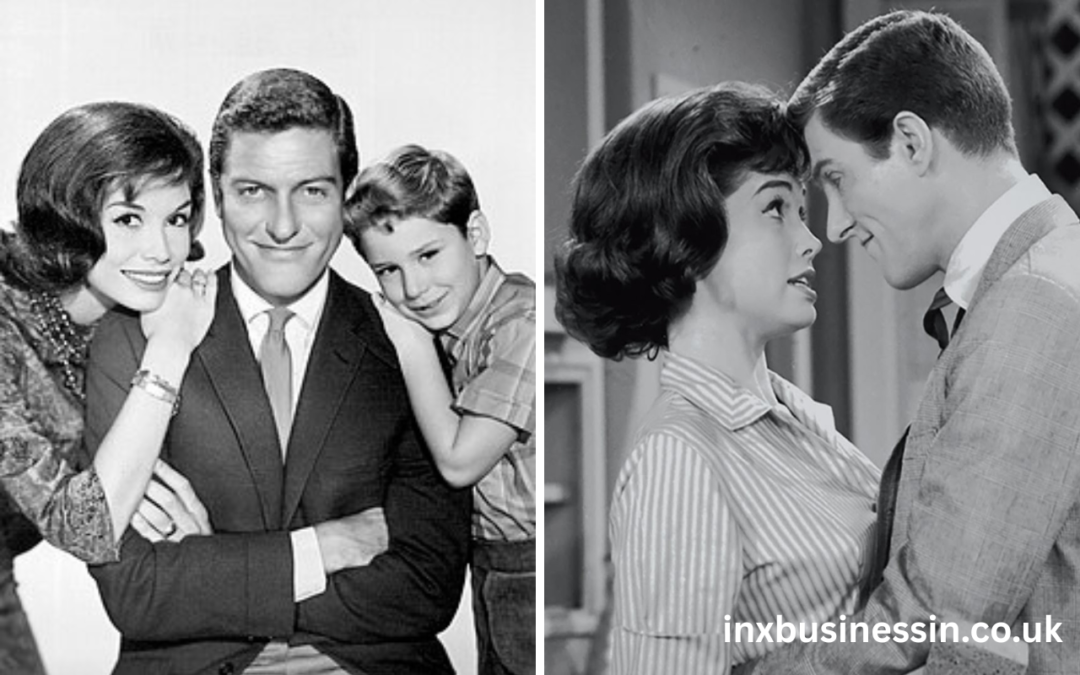

The Dick Van Dyke Show is often regarded as one of the greatest sitcoms of all time, known for its groundbreaking approach to television comedy. Airing from 1961 to 1966 on CBS, the series became a significant cultural touchstone in television history, offering a blend of humor, character depth, and innovative storytelling. Created by Carl Reiner, the show introduced viewers to the character of Rob Petrie, a witty and lovable television writer. His comedic escapades, both at work and in his family life, were presented with a fresh perspective that was uncommon for sitcoms at the time.
The show not only entertained audiences but also set new standards in how sitcoms could blend comedy with emotional and relatable content. Unlike other series of the era, The Dick Van Dyke Show delved into the complexities of personal relationships and professional challenges while still keeping the audience laughing. Through clever writing and endearing characters, it became a pioneer in portraying the modern family and the work-life balance, creating an early blueprint for future sitcoms that would follow.
Even though the show’s original run was short-lived, its impact on television comedy has been lasting. It established the sitcom as a legitimate form of entertainment that could blend humor with heart, opening doors for future shows like Friends, The Mary Tyler Moore Show, and Seinfeld. Today, The Dick Van Dyke Show is often remembered with great fondness, a perfect example of the golden age of television.
The Concept and Creative Origins
The concept behind The Dick Van Dyke Show came from Carl Reiner’s personal experiences as a writer in the television industry. Drawing inspiration from his time working on the popular variety show The Alan Brady Show, Reiner crafted a sitcom that offered both a behind-the-scenes look at the entertainment industry and a relatable family dynamic. The show’s central premise was simple yet effective: it followed Rob Petrie, a comedy writer, balancing the chaos of his job with the demands of his home life.
Carl Reiner envisioned a show that could blend humor with genuine emotion, something that wasn’t common at the time in sitcoms. The writing team included talented individuals such as Bill Persky and Sam Denoff, who helped bring Reiner’s vision to life. Together, they created a show that felt both fresh and timeless, with sharp dialogue and situations that were universally relatable. This approach made The Dick Van Dyke Show stand out from other sitcoms of the era, which were often more simplistic or overly broad in their humor.
Reiner’s decision to feature a comedic writer as the protagonist was a reflection of the rapidly changing landscape of television. By focusing on a writer’s behind-the-scenes experiences, the show provided insight into the entertainment world that had rarely been explored. This creative choice added a layer of meta-humor to the series, where Rob’s struggles as a writer mirrored the experiences of the writers and producers creating the show itself. It was a clever and self-aware twist that helped make the show unique.
The Characters That Made the Show Unforgettable
The heart of The Dick Van Dyke Show was its unforgettable characters, starting with the protagonist, Rob Petrie, played by Dick Van Dyke. Rob was a character that audiences could easily relate to – a man trying to juggle the demands of his high-pressure job as a television writer with the responsibilities of being a husband and father. Dick Van Dyke’s physical comedy skills and impeccable timing turned Rob into a character who was both hilarious and endearing. His ability to land a punchline while also showing vulnerability made him a perfect fit for the show’s balance of humor and heart.
On the other side of Rob’s world was his wife, Laura Petrie, played by Mary Tyler Moore. Laura was no ordinary sitcom wife; she was strong, witty, and complex. The role was groundbreaking for its time because it portrayed a woman who was not only a supportive partner but also an individual with her own voice and agency. Moore’s portrayal of Laura was so well-loved that it became a defining role in her career, earning her a reputation as one of the leading women in television. The chemistry between Van Dyke and Moore was one of the key factors that made the show so successful.
Supporting characters also played a crucial role in the show’s charm. The writers at the fictional Alan Brady Show, particularly Buddy Sorrell and Sally Rogers, provided the perfect comedic foil for Rob’s often clumsy, but lovable nature. Buddy Sorrell, played by Morey Amsterdam, was the wisecracking, somewhat cynical co-worker who always had a joke or sarcastic remark ready. Meanwhile, Sally Rogers, played by Rose Marie, was the sharp, witty female writer, whose dynamic with the men in the writers’ room challenged gender expectations of the time. These characters helped to create a well-rounded, ensemble cast that elevated the series from good to great.
The Humor and Writing That Defined the Show
One of the main reasons for the lasting popularity of The Dick Van Dyke Show is its sharp, intelligent writing. The show managed to strike the perfect balance between slapstick physical comedy and sophisticated verbal wit. The writers didn’t rely on crude jokes or forced humor, but instead crafted clever, relatable situations that arose from the everyday life of the characters. Whether it was Rob’s misadventures at work or Laura’s attempts to support him through his challenges, the humor felt genuine and grounded in the characters’ lives.
The show’s writing also excelled in its ability to blend personal and professional issues. Much of the humor came from Rob’s job as a writer for a variety show, where he faced hilarious, absurd situations while still dealing with universal concerns like family, finances, and friendships. This unique workplace setting gave the show an added layer of depth, setting it apart from other sitcoms of the time. The characters’ interactions at work were just as entertaining and important as their home life, making the series a well-rounded portrayal of a modern American family.
Carl Reiner and his team of writers expertly used situational comedy, quick-witted dialogue, and physical humor to explore the complexities of relationships. The show’s iconic moments, like Rob tripping over furniture or miscommunications with Laura, became timeless gags that continue to resonate with viewers today. This balance of humor with heartfelt moments allowed The Dick Van Dyke Show to stand the test of time, influencing generations of writers who admired its blend of comedy and character development.
The Dick Van Dyke Show’s Cultural Impact
The cultural impact of The Dick Van Dyke Show cannot be overstated. It was a show that not only entertained but also helped to redefine the landscape of American television. The portrayal of marriage in the show, for example, was groundbreaking in its portrayal of Rob and Laura’s relationship as one of mutual respect and partnership. In contrast to other TV couples of the time who often followed the stereotypical husband-knows-best trope, Rob and Laura were shown as equals who supported each other through challenges.
The show also made significant strides in terms of its representation of women. Sally Rogers, as one of the few female writers in television, was a progressive character for its time. She broke stereotypes of women as passive or secondary characters and instead portrayed a woman who was clever, independent, and funny. This role opened doors for more diverse female characters in television, paving the way for the likes of Mary Tyler Moore in her later show, The Mary Tyler Moore Show, where she would play an even more empowering and career-driven character.
Beyond its contribution to gender dynamics on TV, the show’s smart humor and relatable characters influenced the direction of sitcoms for decades. Many of the sitcoms that followed, particularly those of the 1970s and beyond, owe a debt to The Dick Van Dyke Show for its groundbreaking approach to character-driven storytelling. The show demonstrated that sitcoms could tackle real-life issues with wit and heart, and its success paved the way for more nuanced and mature television comedy.
Awards and Recognition: The Show’s Enduring Success
Throughout its run, The Dick Van Dyke Show received numerous awards and critical accolades, cementing its place in television history. It won 15 Primetime Emmy Awards, including awards for Outstanding Comedy Series and Best Lead Actor in a Comedy Series for Dick Van Dyke. These awards were a testament to the quality of the show’s writing, direction, and performances. The series was also praised for its innovation in mixing physical comedy with sharp, character-driven humor, something that was rarely seen on television at the time.
In addition to the Emmys, The Dick Van Dyke Show continued to earn recognition in the years following its cancellation. The show was frequently included in rankings of the greatest television series of all time, with particular praise for its influence on future sitcoms. Its ability to blend humor with realistic family dynamics set a precedent that was followed by countless television series in the decades that followed. Critics and fans alike continue to regard it as one of the finest examples of classic television comedy.
The show’s enduring success is also evident in its continued popularity in syndication. Generations of viewers who weren’t even born during the show’s original run have discovered it through reruns, DVDs, and streaming services. Its timeless humor and relatable characters continue to draw in new audiences, ensuring that The Dick Van Dyke Show remains a cornerstone of American television for years to come.
Read more: The Complete Guide to Jojo Siwa Boyfriend: Relationships, Rumors, and What We Know
Conclusion: A Lasting Legacy in Television
The Dick Van Dyke Show is more than just a nostalgic look back at early television—it is a foundational piece of the sitcom genre that continues to influence TV comedy today. The show’s innovative writing, groundbreaking character dynamics, and ability to blend humor with heartfelt moments have left a lasting impact on the television industry. Its legacy lives on through the countless shows that followed in its footsteps, using similar narrative structures and focusing on character-driven storytelling.
The success of The Dick Van Dyke Show also highlighted the power of smart, well-executed comedy that could entertain while still exploring relatable and meaningful topics. Its portrayal of work, marriage, and family life continues to resonate with viewers even decades later, ensuring its place as a beloved classic in American entertainment history.
In the end, The Dick Van Dyke Show remains a touchstone of classic television comedy, a series that not only entertained but also shaped the future of sitcoms. It is a true testament to the creativity and ingenuity of its creators, cast, and crew.