
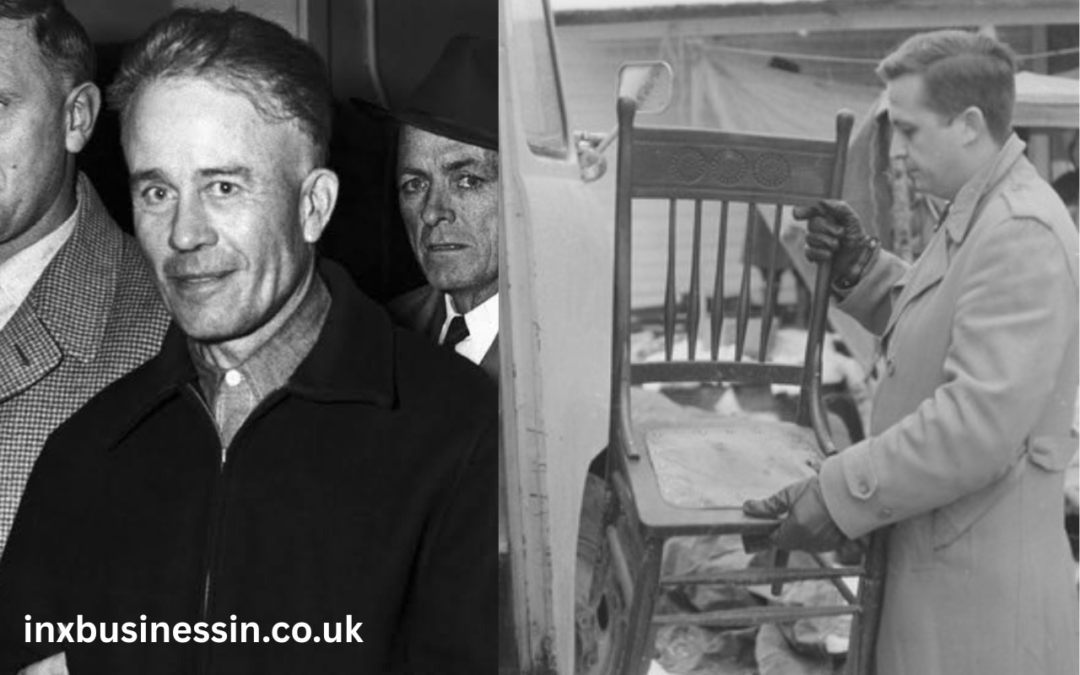

The search term “ed gein pictures” is closely connected to one of the most disturbing criminal cases in American history. Ed Gein was arrested in 1957 in Plainfield, Wisconsin, after police uncovered shocking evidence inside his isolated farmhouse. The case immediately drew national attention, and the photographs taken during the investigation became a major part of how the story spread across the country. These images were not originally meant for public viewing but were used for legal documentation and forensic analysis.
At the time, crime scene photography was still developing as a standard investigative tool. Officers documented the scene to preserve evidence and present it in court. Many of these photographs captured the condition of the house, the layout of the rooms, and items found inside. Over time, some of these images became associated with public curiosity, especially as media coverage increased and the case turned into a cultural phenomenon.
It is important to understand that these pictures are not just shocking visuals but historical records tied to real victims and a tragic situation. The fascination around them often overshadows the seriousness of the crimes. For many researchers and historians, these images serve as documentation of a complex case involving mental illness, isolation, and criminal behavior rather than just sensational material.
What Ed Gein Pictures Actually Show
When people search for ed gein pictures, they often expect highly graphic content, but most verified images are more subdued than rumors suggest. Authentic photographs typically include police evidence documentation, images of the farmhouse exterior, and pictures taken during Gein’s arrest and custody. These visuals were meant to support the investigation rather than entertain or shock the public.
Some of the most discussed images are those taken inside the farmhouse. Investigators photographed objects found throughout the home to catalog evidence. However, many of these photographs have never been publicly released due to their sensitive nature. This has led to a mix of fact and fiction, with many people assuming that all images are widely available online, which is not the case.
A key point to remember is that a large portion of images circulating on the internet are either misidentified or completely unrelated. The actual collection of authentic ed gein pictures is limited. People exploring this topic should be cautious and rely on credible sources rather than viral or misleading content that often exaggerates reality.
The 1957 Investigation and Photographic Evidence
The investigation into Ed Gein began after the disappearance of a local store owner, which led authorities to his property. What they discovered was so unusual that it required extensive documentation. Photographs were taken systematically to capture every detail, ensuring that the evidence could be used effectively in court proceedings.
Photographic evidence played a crucial role in building the case. Investigators used images to show the arrangement of items, the condition of the property, and the connection between Gein and the crimes. At that time, photography was one of the most reliable ways to preserve the scene as it was found, making it essential for legal accuracy and future reference.
This investigation highlighted three important aspects of forensic work: proper documentation, evidence preservation, and accurate reporting. These principles are still followed today, though technology has improved significantly. The images taken during this case remain an example of how early forensic photography contributed to solving complex crimes.
Why Many Ed Gein Pictures Are Rare or Restricted
One of the biggest reasons people struggle to find authentic ed gein pictures is that many were never released to the public. Authorities restricted access to certain photographs because of their disturbing nature. This decision was made to protect the dignity of the victims and prevent unnecessary public exposure to graphic material.
Another factor contributing to their rarity is the passage of time. Over decades, some original records have been lost, archived, or kept in controlled environments. Unlike modern cases where digital copies are easily preserved and shared, older investigations relied on physical storage, which increases the risk of loss or damage.
There are also ethical and legal considerations that limit access. Institutions holding these images often enforce strict rules to prevent misuse. This has created a situation where genuine images are scarce, while fake or recreated ones circulate widely online, causing confusion among those researching the case.
Real vs Fake Ed Gein Photos Online
In the digital era, the internet is filled with images claiming to be ed gein pictures, but many of them are not authentic. Some are taken from horror movies, documentaries, or staged recreations. These visuals are often mislabeled, making it difficult for viewers to distinguish between real evidence and fictional interpretations.
The influence of popular media has added to this confusion. Films inspired by Gein’s life have recreated scenes based on his story, and these dramatized versions are sometimes mistaken for real photographs. This blending of fact and fiction has contributed to widespread misinformation.
To better understand this issue, it helps to consider three key points: the source of the image, historical accuracy, and context. Authentic images usually come from verified archives or official records. Without these elements, it is likely that the image is not genuine, even if it appears convincing at first glance.
Ethical Concerns Around Viewing Crime Scene Images
The topic of ed gein pictures raises serious ethical questions about how such material should be viewed and shared. These images are connected to real crimes and real victims, which means they should be treated with respect and sensitivity. Viewing them purely for curiosity can be seen as disrespectful to those affected.
There is an ongoing debate about the role of true crime content in modern society. While some argue that studying these cases can provide valuable insights into criminal behavior, others believe that focusing on graphic details can lead to unnecessary sensationalism. This balance is important when discussing or researching such topics.
Three major ethical considerations often come up in this discussion: respect for victims, responsible sharing of information, and awareness of impact on viewers. Understanding these points helps create a more thoughtful approach to consuming true crime content, including ed gein pictures.
The Psychological Fascination With Ed Gein Images
The continued interest in ed gein pictures reflects a deeper psychological curiosity about extreme human behavior. Cases like this challenge people’s understanding of morality and mental health, making them both disturbing and intriguing. This curiosity is a natural response to events that seem difficult to comprehend.
Psychologists suggest that people are drawn to such cases because they want to understand what drives someone to commit such acts. In Gein’s case, factors like isolation, personal trauma, and mental illness played significant roles. Examining these elements helps provide a more complete picture beyond just the visual evidence.
This fascination can be broken down into three main reasons: the desire to understand the unknown, the influence of media, and the human tendency to explore fear in a controlled way. While these motivations are common, it is important to approach the subject with awareness and respect.
Influence of Ed Gein Pictures on Horror Culture
The legacy of Ed Gein extends far beyond his crimes, especially in the world of horror. His story inspired several iconic characters and films that have shaped the genre for decades. While these works are fictional, they often draw heavily from real-life details, including the imagery associated with his case.
Movies like Psycho, The Texas Chain Saw Massacre, and The Silence of the Lambs were influenced by Gein’s life. These films introduced audiences to characters and scenarios inspired by his actions, blending reality with creative storytelling. As a result, the visual elements of his case became part of popular culture.
This influence can be seen in three major areas: character design, storytelling themes, and visual aesthetics. The impact of ed gein pictures and related imagery continues to shape how horror stories are told, demonstrating how real events can leave a lasting mark on entertainment.
Media Coverage and Public Reaction
When news of Ed Gein broke in 1957, it quickly spread across newspapers and radio broadcasts. The case shocked the public, and the mention of photographic evidence added to its intensity. People were both horrified and fascinated, making it one of the most talked-about crimes of its time.
Media coverage played a significant role in shaping public perception. Reports often focused on the most shocking aspects of the case, which increased curiosity about ed gein pictures. This coverage helped turn Gein into a widely recognized figure, even among those who were not deeply interested in true crime.
Public reaction can be summarized in three ways: disbelief, fear, and fascination. These responses are common in high-profile criminal cases, especially those involving unusual or disturbing details. The combination of media attention and photographic evidence ensured that the case remained in public memory for decades.
Read More: Brandon Jack James: Complete Biography, Career Insights & Professional Journey
Final Thoughts on Ed Gein Pictures
The topic of ed gein pictures is complex and often misunderstood. While there is a strong curiosity surrounding these images, it is important to remember their historical and ethical context. They are not مجرد shocking visuals but part of a real case involving serious crimes and human suffering.
Much of what people see online is not accurate, which makes it essential to rely on verified information. Understanding the difference between real and fictional content helps create a clearer picture of the case. This awareness is especially important in an age where misinformation spreads easily.
In conclusion, ed gein pictures represent more than just a search trend. They are a reminder of a disturbing chapter in history and the importance of responsible storytelling. By focusing on facts, context, and respect, readers can gain a deeper understanding without contributing to unnecessary sensationalism.